

Autumn / Fall Intake
September – October 2026
Primary Intake — Apply Now
Log in or sign up to access your dashboard
From the University of Bologna (the world’s oldest) to Politecnico di Milano, Italy blends centuries of academic tradition with cutting-edge research - at tuition fees that make it one of Europe’s most accessible destinations.
The University of Bologna, founded in 1088, leads a rich tradition of academic excellence - with 3 Italian universities in the global top 200 (QS 2026).
Public Italian universities charge non-EU students €1,000–€4,000/year - among the lowest in Western Europe.
Study fashion at Polimoda or design at IED Rome - Italy leads the world in creative arts education.
International students in Italy can work up to 20 hours per week on a valid student visa.
An Italian student visa gives access to all 26 Schengen countries - explore Europe from your campus doorstep.
Politecnico di Milano and Politecnico di Torino rank in the global top 150 for Engineering (QS 2026).
Istituto Marangoni - Italy
🇮🇹2 Years | Master's
View Course DetailsUniversity of Cassino and Southern Lazio
🇮🇹2 Years | Master's
View Course DetailsThe Polytechnic University of Milan
🇮🇹2 Years | Master's
View Course DetailsUniversity of Campania Luigi Vanvitelli
🇮🇹2 Years | Master's
View Course DetailsGuglielmo Marconi University
🇮🇹1 Year | Master's
View Course DetailsItalian universities typically offer two intakes per year aligned with the European academic calendar - September/October and February/March. The autumn intake is the primary and most widely available.
September – October 2026
Primary Intake — Apply NowFebruary – March 2027
Application Opening SoonSeptember – October 2027
Plan AheadTuition fees and living costs vary by institution, location, and program. Use this as a planning guide.
* Many top Italian public universities offer sliding-scale tuition based on family income - even non-EU students may qualify for reductions.
Milan can be expensive, but Bologna, Padova, Turin, and Naples are significantly more affordable. Subsidised tuition and DSU scholarships keep total costs low.
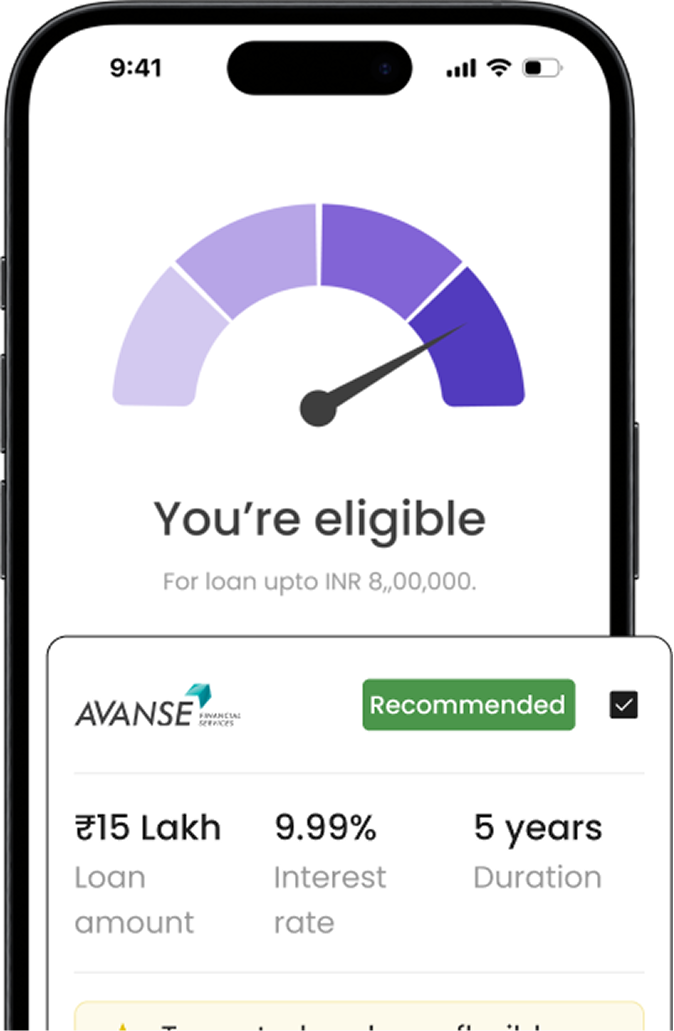
You may be eligible for an education loan up to 1.5 Crore at competitive interest rates via Fly.Finance.
Italy provides various scholarships for international students through government programs, regional bodies, and top universities.
10+ Universities | 372+ Courses
24+ Universities | 500+ Courses
200+ Courses
200+ Courses
180+ Courses
300+ Courses
A step-by-step guide to the Italian Student Visa (Type D). Leverage Edu guides you through every step of the process.
Get an acceptance letter from a recognised Italian university or institution.
Complete pre-enrolment on the Universitaly portal - required for all non-EU students.
Prepare passport, acceptance letter, proof of accommodation, financial proof (€6,000+), and health insurance.
Submit your Type D student visa application at the Italian Embassy or Consulate in India.
Processing typically takes 2–4 weeks. Apply well in advance of your course start date.
Within 8 days of arrival, apply for your residence permit (permesso di soggiorno) at the local post office.
95%
Visa Success Rate
€50
Visa Application Fee
2-4 Wks
Average Processing Time
12 Mos
Graduate Route (PSW) Visa
Copy of a valid passport
Standardised test SAT scores for UG programs
Standardised test GMAT/GRE scores for PG programs
TOEFL/IELTS or Italian Language test scores (depending upon the program’s curriculum)
Academic Transcripts
Letter of Recommendation (LOR)
Portfolio (for specific courses)
A CV (if applicable)
Statement of Purpose (SOP)

On a Budget or something with a view? We've got you!
Search for Accomodation
Find answers to common questions about our programs and services
Public Italian universities charge non-EU international students approximately €1,000–€4,000 per year for tuition. Private universities and specialist schools cost €5,000–€20,000. Living costs average €650–€1,600 per month depending on the city, making Italy one of the most affordable Western European destinations.